Download App


Download App
Bartłomiej Obrochta, known as Bartuś, was born on August 15, 1850, in Zakopane and died on May 1, 1926, also in Zakopane.
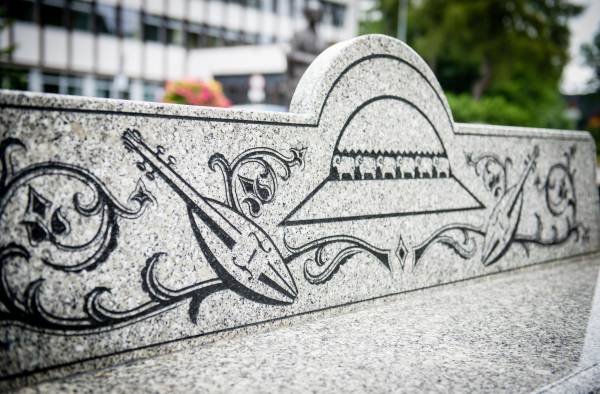
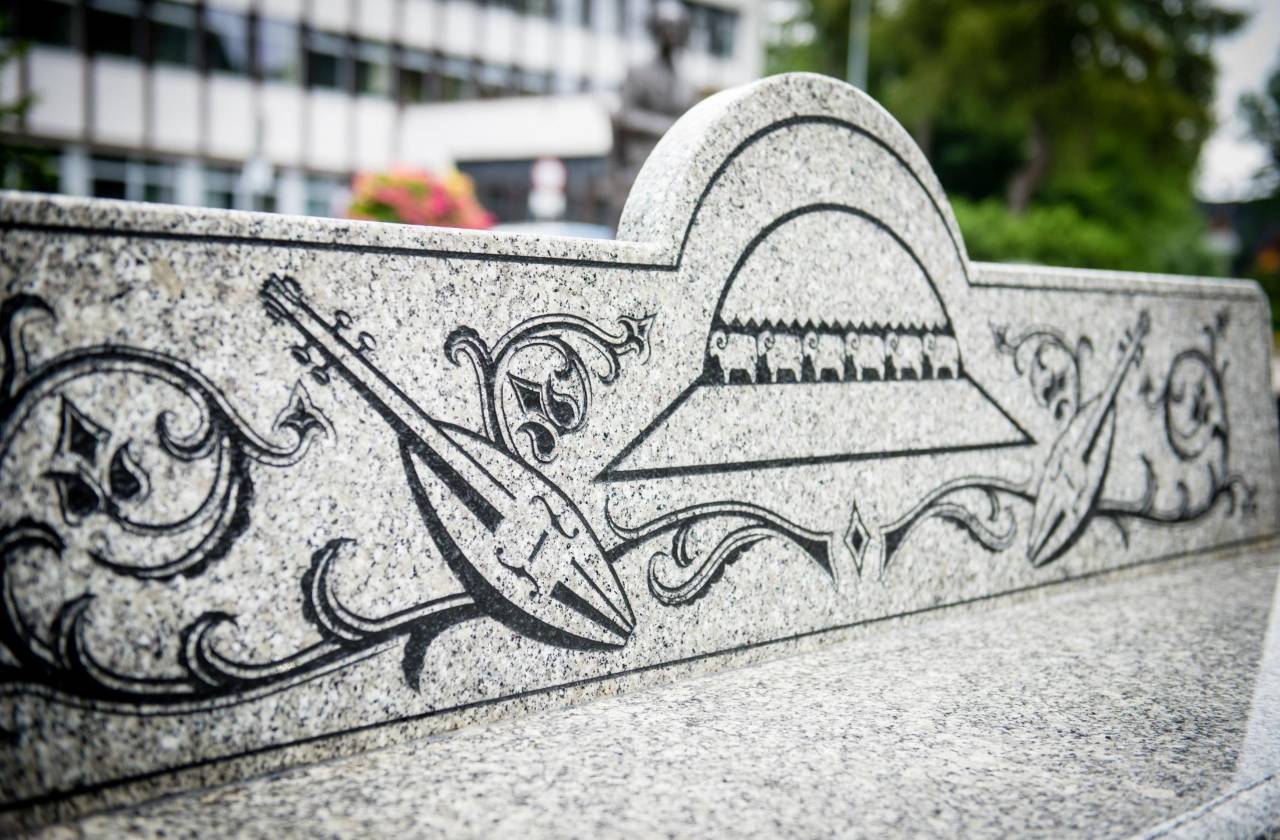
He was buried at the New Cemetery in Zakopane. He is known as an outstanding violinist and a Tatra mountain guide.
From an early age, Bartuś Obrochta learned to play the violin. He attended the elementary school for two years, which he completed. One of his teachers was the famous Jan Krzeptowski Sabała. Obrochta is considered one of the finest highlander musicians. It is said that even the brigand Wojtek Mateja was interested in his music and took Bartuś into the mountains to entertain him and his companions.
Obrochta’s music also attracted the interest of, among others, Ignacy Paderewski and Karol Szymanowski, for whom it became an inspiration while composing the famous Harnasie. The melodies performed by the talented highlander were recorded on wax cylinders by Juliusz Zborowski, the long-time director of the Tatra Museum.
Bartuś Obrochta also played for Henryk Sienkiewicz, Stanisław Witkiewicz, and Bolesław Prus. He composed melodies himself, both for violin and for a full band (three violins and bass).
He was also the founder of a folk band (kapela), which included his sons (Jan and Stanisław), and later his grandson Władysław. In 1897, he traveled with his band to Warsaw for the first time to perform during an exhibition of a Tatra panorama. In 1925, he performed in the Polish Pavilion at the International Exhibition of Decorative Arts in Paris.
He died with a violin in his hands on the Path under the Reglas (Droga pod Reglami), while returning from a gathering (posiady). To this day, a wooden commemorative shrine stands at that place.
From around 1878, Bartłomiej Obrochta worked as a Tatra guide and obtained first-class guide credentials before 1892. Notable expeditions include:
From 1886, he worked as a ranger for the Tatra Society, protecting chamois and marmots. He also worked on building mountain trails (in 1887, together with Maciej Sieczka, he installed iron chains on the route from Waga Pass to Wysoka via Pazdury).
In the years 1890–1895 and 1914–1922, he managed the shelter in Stara Roztoka. In 1894, he was listed as the publisher of Goniec Tatrzański, although the actual publisher was Jan Grzegorzewski.
In the Tatras, he is commemorated with two place names: Bartkowa Turnia and Bartkowa Przełączka (in the western ridge of Mały Ganek). His stories were recorded and published by Juliusz Zborowski in:
Since 1965, the Bartuś Obrochta Regional Ensemble has existed in Zakopane.
Pieces whose fragments can be heard on the bench: